
Ductless Mini-Split Installation in Port Coquitlam
Ductless mini-split installation for Port Coquitlam properties, planned around flood-construction elevation requirements near the rivers.
Ductless systems Installation
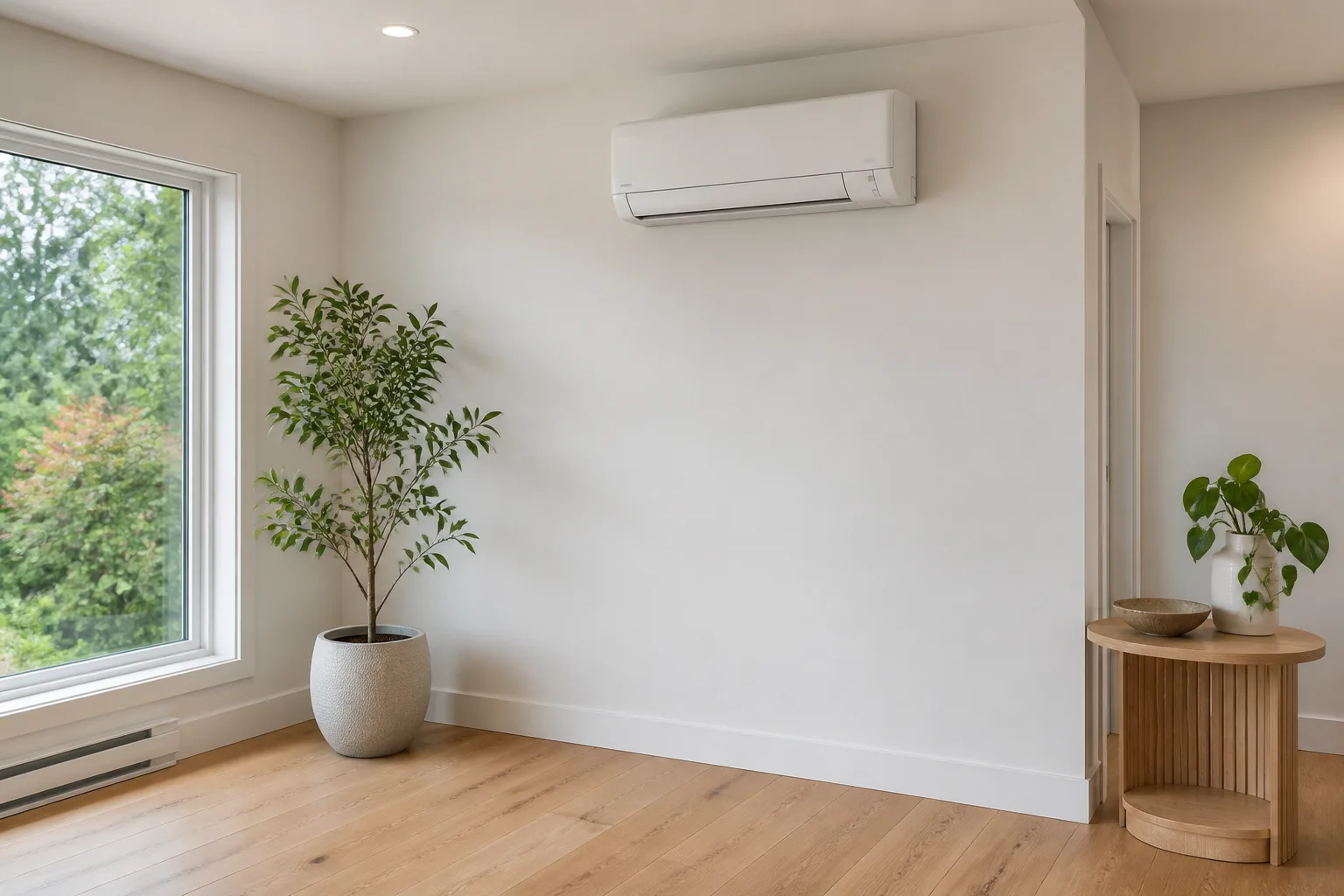
Ductless zones designed for Port Coquitlam properties.
Port Coquitlam is largely established detached housing through Mary Hill, Citadel and Riverwood, much of it on flat lots close to the Coquitlam and Pitt river systems, where mechanical rooms are modest and existing ducting is often original to the build.
That building mix changes where indoor units can serve a room, how lines and drains can be routed, and where the outdoor equipment can operate. In Port Coquitlam, flood-construction elevation requirements near the rivers is addressed before the zone count or equipment layout is finalized.
Zones based on real rooms
The layout considers how spaces in Port Coquitlam properties connect, which doors stay closed, and where independent temperature control is actually useful.
Routes resolved before equipment
Line sets, condensate drains, penetrations, electrical connections, and exterior covers are mapped around flood-construction elevation requirements near the rivers.
Outdoor placement with context
Clearance, sound, drainage, access, and local exposure are weighed before choosing a position for the outdoor unit.
How a ductless layout is planned in Port Coquitlam.
- 01
Map the occupied zones
We review the rooms needing heating or cooling, how they connect, and the way the property is used in areas such as Citadel, Riverwood, Mary Hill, and Glenwood.
- 02
Plan indoor airflow
Indoor-unit positions are selected around room shape, furniture, doors, discharge direction, filter access, and the occupants who use each zone.
- 03
Coordinate routes and approvals
The line, drain, electrical, and outdoor-unit plan is checked against flood-construction elevation requirements near the rivers, property approvals, and any applicable municipal requirements before work begins.
- 04
Commission every zone
Each indoor unit is tested in heating and cooling modes, drainage and controls are checked, and normal operation is reviewed at the Port Coquitlam property.
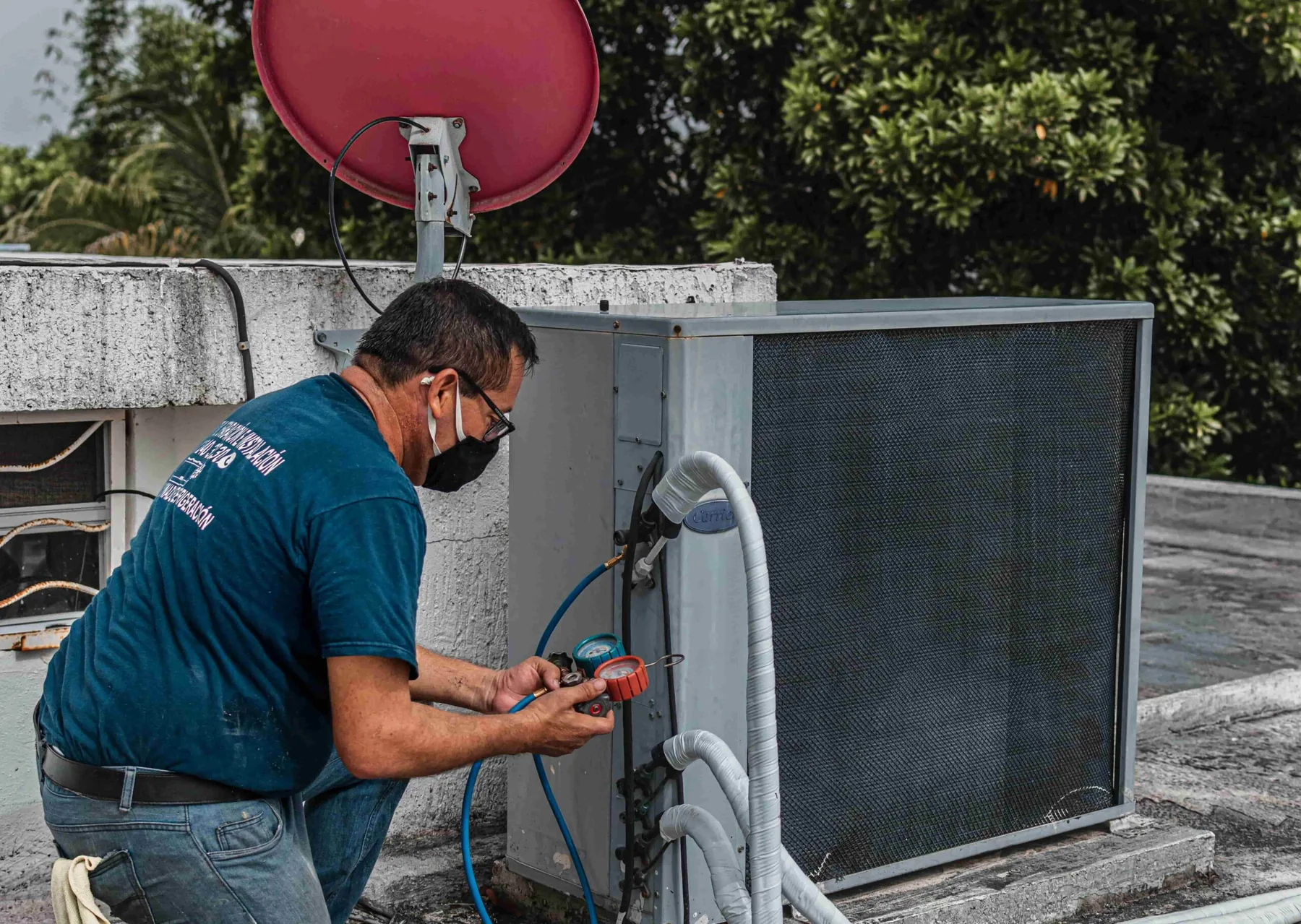
Ductless installation details for Port Coquitlam.
Building-specific zone design
Zone count and indoor-unit position respond to the local building stock: Port Coquitlam is largely established detached housing through Mary Hill, Citadel and Riverwood, much of it on flat lots close to the Coquitlam and Pitt river systems, where mechanical rooms are modest and existing ducting is often original to the build.
Weather and outdoor exposure
Outdoor placement and operating expectations reflect these conditions: Flat, low elevation and inland enough to run hotter in summer than the inlet cities. Cooling load tends to be the driver here rather than extreme winter design temperature.
Power and equipment connections
Electrical planning starts with the property's available service. FortisBC gas is available throughout the developed areas. Housing stock era means 100A service is still common in Mary Hill and Glenwood and often needs review.
Routes that remain serviceable
For work around Citadel, Riverwood, Mary Hill, and Glenwood, line covers, drains, clearances, and access are planned so the finished system can be maintained without undoing the installation.
Ductless Installation planning in Port Coquitlam.
Ductless planning should define useful zones and workable indoor-unit, line-set, drain, and outdoor-unit locations before equipment is ordered. Atmoserra works on properties in Citadel, Riverwood, Mary Hill, and Glenwood and the surrounding parts of Port Coquitlam; final scope is confirmed after reviewing the property.
Ductless Installation questions in Port Coquitlam.
Is ductless a good fit for my Port Coquitlam property?
Often, yes. Port Coquitlam is largely established detached housing through Mary Hill, Citadel and Riverwood, much of it on flat lots close to the Coquitlam and Pitt river systems, where mechanical rooms are modest and existing ducting is often original to the build. Ductless avoids the cost of adding distribution where none exists, and lets individual areas be controlled separately, which suits that stock well.
How many indoor units will I need?
It follows from how the space is actually used and how it is laid out, not from room count. We map zones during the site visit and size each head to the area it serves.
How many indoor units will my home need?
That depends on the floor plan, room use, doorways, heat gain and loss, and the comfort goals for each area. One unit does not automatically serve an entire floor.
Can ductless systems heat during winter?
Many can. Winter capacity varies by model and outdoor temperature, so the equipment and any backup heat should be selected around the home’s actual needs.
Where are the refrigerant lines installed?
The route depends on indoor and outdoor placement, drainage, structure, finish expectations, and service access. The path should be reviewed before installation.
Do ductless systems require regular maintenance?
Yes. Filters need routine cleaning, and indoor and outdoor components should be inspected and serviced as appropriate for the equipment and use.
Planning ductless installation in Port Coquitlam?
Call (778) 200-9054Tell us about the Port Coquitlam property, the existing equipment, and the comfort or reliability problem you want to solve.