
Air Conditioning Installation in Port Coquitlam
Air conditioning installation for Port Coquitlam properties, designed around flood-construction elevation requirements near the rivers.
Air conditioning Installation
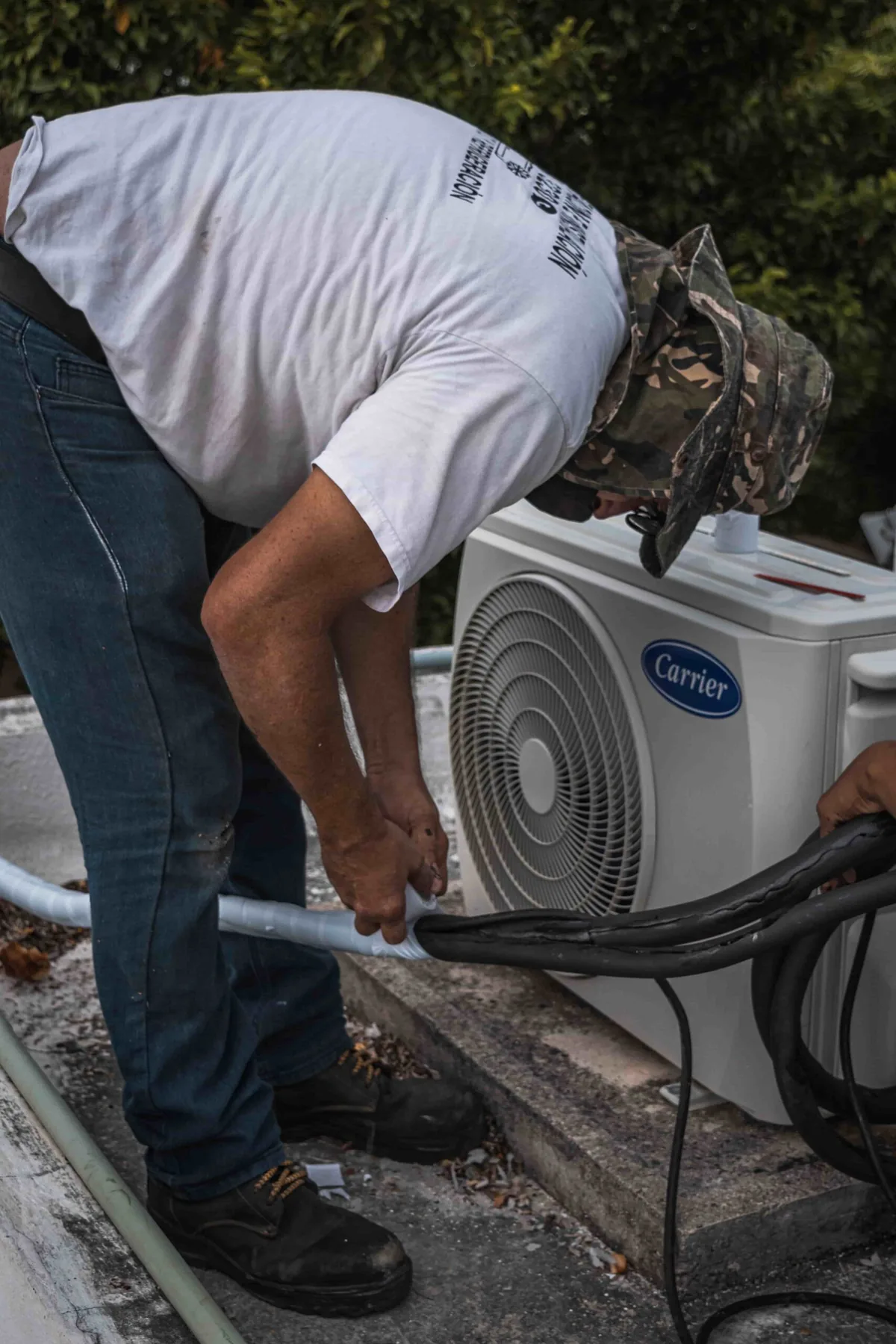
Cooling planned for Port Coquitlam homes and sites.
Flat, low elevation and inland enough to run hotter in summer than the inlet cities. Cooling load tends to be the driver here rather than extreme winter design temperature.
Port Coquitlam is largely established detached housing through Mary Hill, Citadel and Riverwood, much of it on flat lots close to the Coquitlam and Pitt river systems, where mechanical rooms are modest and existing ducting is often original to the build. Atmoserra accounts for flood-construction elevation requirements near the rivers before recommending equipment, placement, or installation scope.
Calculate the actual cooling load
Equipment selection starts with room exposure, glazing, insulation, occupancy, and the way Port Coquitlam's local conditions affect summer heat gain.
Resolve outdoor placement early
Clearance, drainage, sound, service access, and flood-construction elevation requirements near the rivers are reviewed before the outdoor unit location is finalized.
Match airflow and electrical capacity
The plan checks the existing distribution system and available power. FortisBC gas is available throughout the developed areas. Housing stock era means 100A service is still common in Mary Hill and Glenwood and often needs review.
How air conditioning is planned in Port Coquitlam.
- 01
Review the rooms and exposure
We examine the spaces that need cooling, their orientation, glazing, insulation, occupancy, and the way properties around Citadel, Riverwood, Mary Hill, and Glenwood are used.
- 02
Size the system
Cooling load, airflow, duct condition, controls, electrical capacity, and equipment compatibility are checked before a system is selected.
- 03
Confirm placement and requirements
Indoor and outdoor equipment locations are coordinated around flood-construction elevation requirements near the rivers. City of Port Coquitlam mechanical permits, gas through Technical Safety BC. Low-lying properties near the rivers can carry flood-construction requirements that affect how high mechanical equipment must sit.
- 04
Install and commission
After installation, airflow, drainage, controls, temperature response, and normal operation are tested at the Port Coquitlam property.
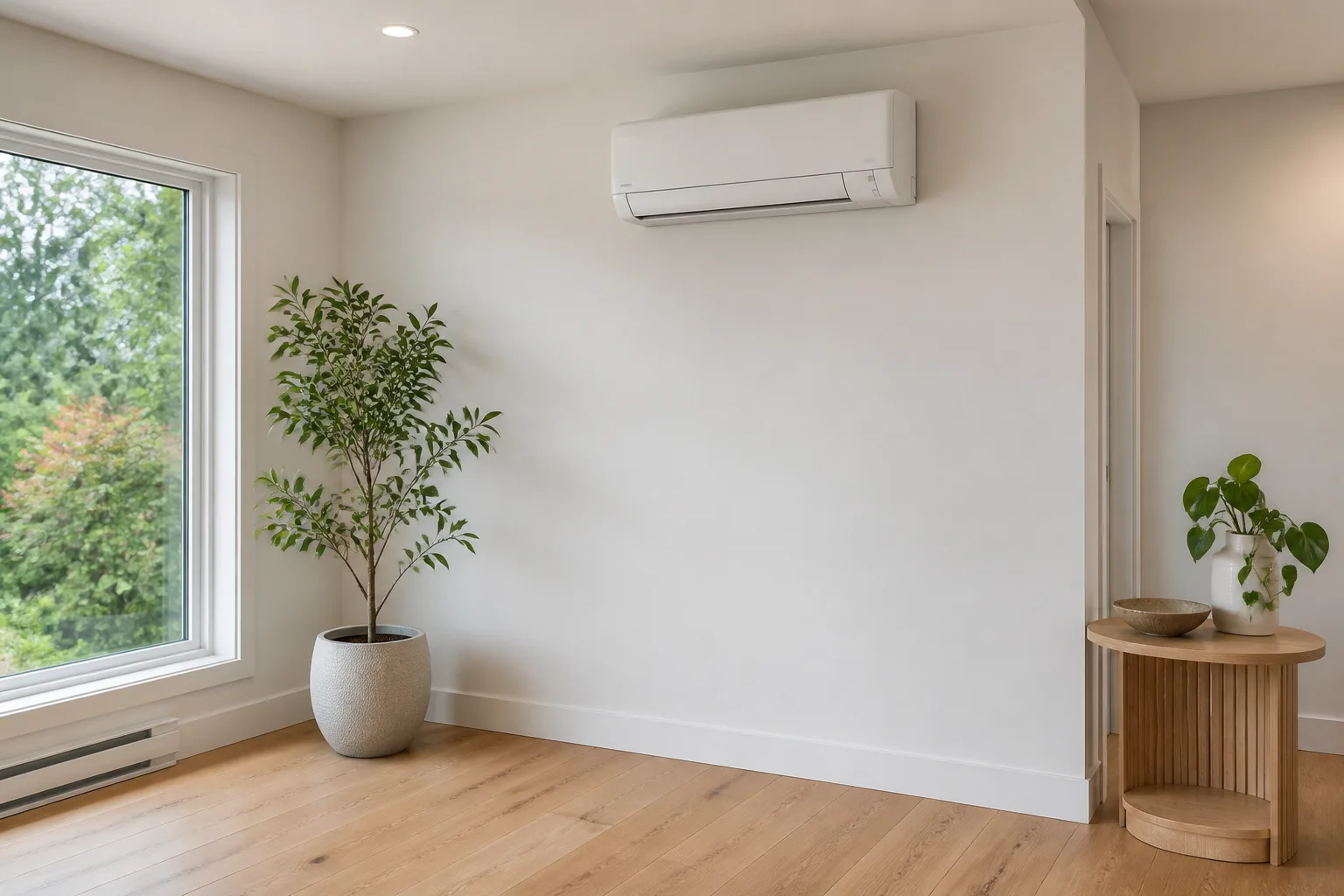
Air conditioning details that matter in Port Coquitlam.
Local cooling demand
Flat, low elevation and inland enough to run hotter in summer than the inlet cities. Cooling load tends to be the driver here rather than extreme winter design temperature.
Building and distribution
Port Coquitlam is largely established detached housing through Mary Hill, Citadel and Riverwood, much of it on flat lots close to the Coquitlam and Pitt river systems, where mechanical rooms are modest and existing ducting is often original to the build.
Power, permits, and placement
FortisBC gas is available throughout the developed areas. Housing stock era means 100A service is still common in Mary Hill and Glenwood and often needs review. City of Port Coquitlam mechanical permits, gas through Technical Safety BC. Low-lying properties near the rivers can carry flood-construction requirements that affect how high mechanical equipment must sit.
A serviceable finished system
For work around Citadel, Riverwood, Mary Hill, and Glenwood, equipment, drains, controls, and access are planned so routine service does not require undoing the installation.
AC Installation planning in Port Coquitlam.
Cooling design should reflect room exposure, window area, insulation, airflow, electrical capacity, and where indoor and outdoor equipment can operate without creating access or sound problems. Atmoserra works on properties in Citadel, Riverwood, Mary Hill, and Glenwood and the surrounding parts of Port Coquitlam; final scope is confirmed after reviewing the property.
AC Installation questions in Port Coquitlam.
What size air conditioner does a Port Coquitlam home need?
It follows from a cooling load calculation, not floor area. Flat, low elevation and inland enough to run hotter in summer than the inlet cities. Cooling load tends to be the driver here rather than extreme winter design temperature. Oversizing causes short cycling and poor humidity control, which is a common complaint on units sized by rule of thumb.
Where can the outdoor unit go on my Port Coquitlam property?
That is usually the binding constraint here, because flood-construction elevation requirements near the rivers. We confirm a workable location, with proper clearances and sound considerations, during the site visit rather than on install day.
Do I need ductwork for air conditioning?
Not always. Homes without suitable ducts may use ductless or other configurations. The assessment determines which paths are practical for the property.
How is air-conditioning capacity selected?
Capacity should reflect heat gain, floor area, windows, insulation, orientation, occupancy, and airflow—not square footage alone.
Where does the outdoor unit go?
The final location depends on airflow, sound, drainage, manufacturer clearances, service access, and the property layout.
Can air conditioning be added to an existing furnace?
Sometimes. Compatibility depends on the furnace, blower, ductwork, electrical service, available space, and the cooling equipment being considered.
Planning ac installation in Port Coquitlam?
Call (778) 200-9054Tell us about the Port Coquitlam property, the existing equipment, and the comfort or reliability problem you want to solve.